
The women farmers above sing “VIA Lift us up – Others have failed us.”
There are thousands of research projects aiming to help smallholder farmers. When the project ends — the show moves on — and all too often there is little left behind to help the farmers.
We are not satisfied to be just another successful project written up in the scientific literature. We are determined that the poorest farmers can benefit from research. We have created businesses in Africa to build and supply sensors that change lives.
Smallholder irrigation schemes in Malawi are shared blocks of land, usually fed by canals that the farmers manage themselves. Farms are tiny – often the size of just two suburban blocks – but play a critical role in food security.
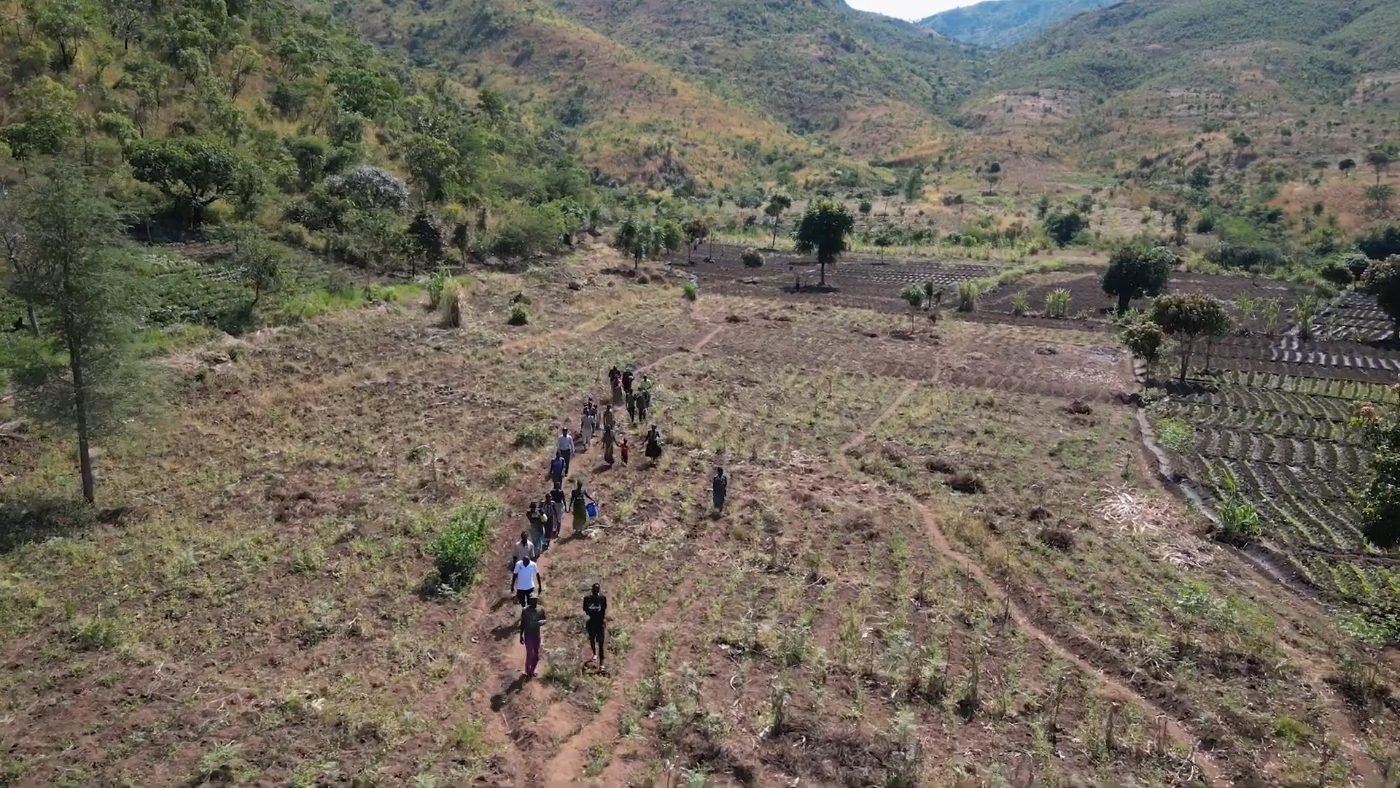
Without any means to know how thirsty the plots are, farmers irrigate opportunistically. If there is water in the canal they use it — just in case. Those closest to the water source get more water than everyone else, leading to conflict when the supply runs low.
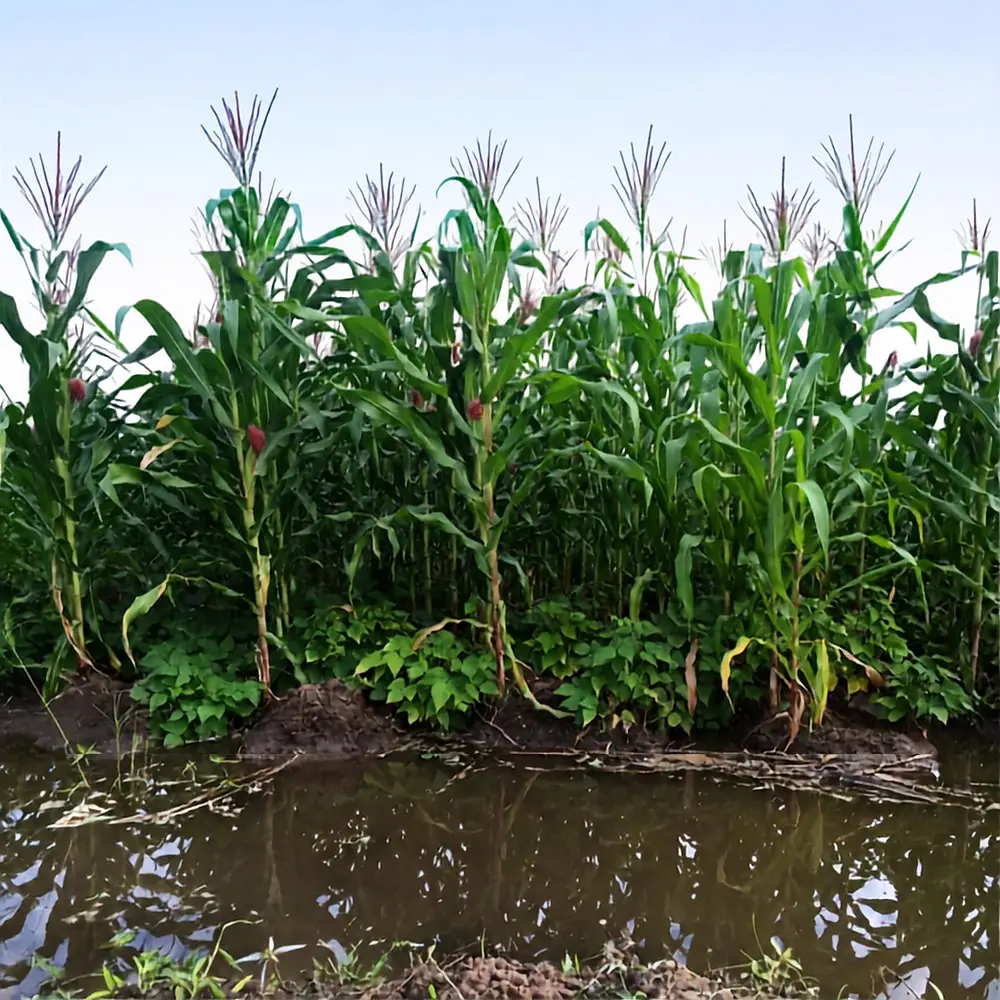
“Before the sensors the aim was to get the whole furrow filled to the top with water, without knowing that we are being wasteful. In the past we used to argue, even fight each other over water, but [the sensor] has ended those conflicts.”
Excessive irrigation often meant that parts of the irrigation scheme lay idle through lack of water. Tinkho Mpezeni, from the Department of Irrigation, reported:
“This irrigation scheme — the potential is about 30 ha — but in the previous years they were irrigating less than half, just because they were scrambling for water … because they did not know when to irrigate. But since the sensors were put in, the farmers were in a position to apply the right amount of water, thereby irrigating the entire piece of land.”
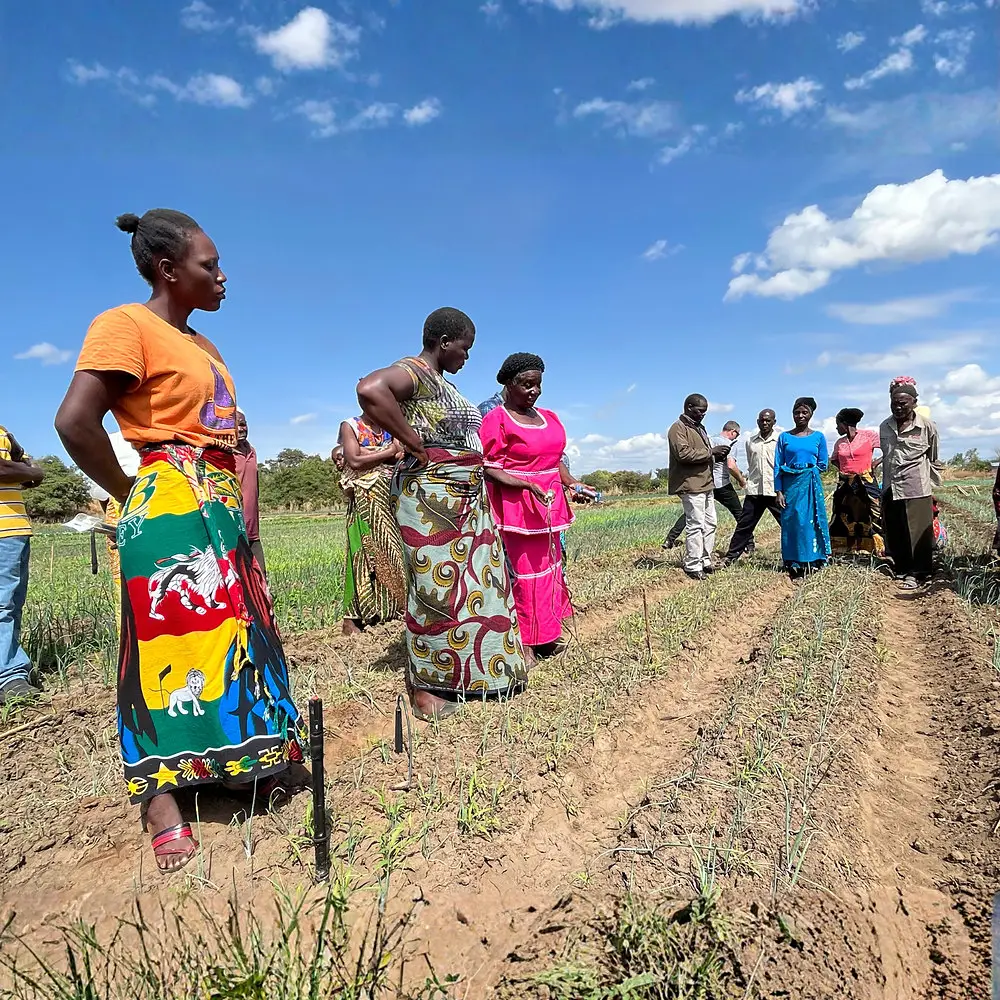
Joy and James now carry this work in Malawi. They are the reason the campaign exists, and they are who your kit helps.


Partners in Malawi on how this works on the ground.
A Malawian company is being built to carry this work — selling, installing and supporting these tools across the country on its own terms.
We want the Chameleon in the hands of everyone in Malawi who can use it, and every kit sold in Australia this summer helps get it there.