
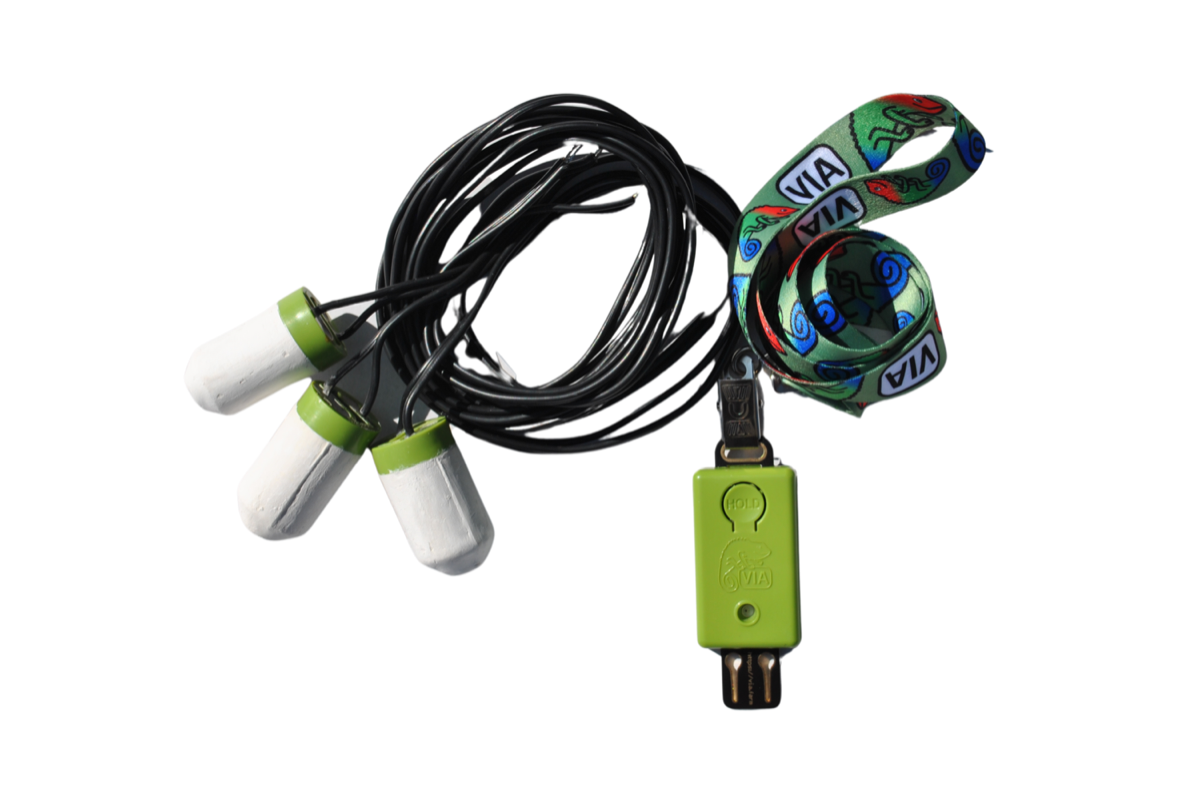
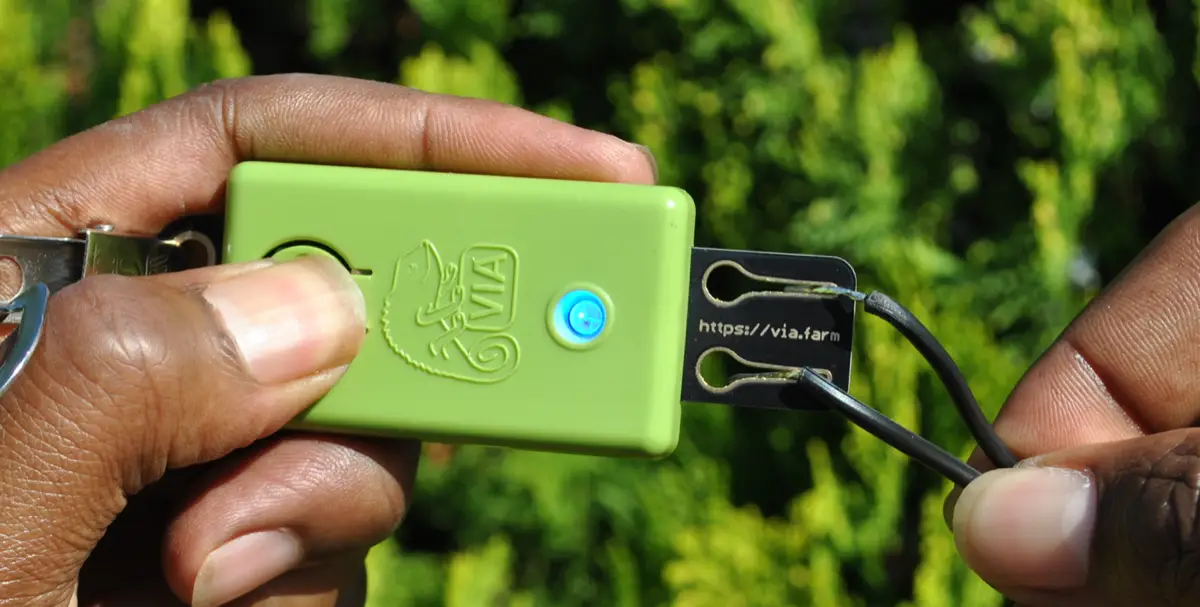
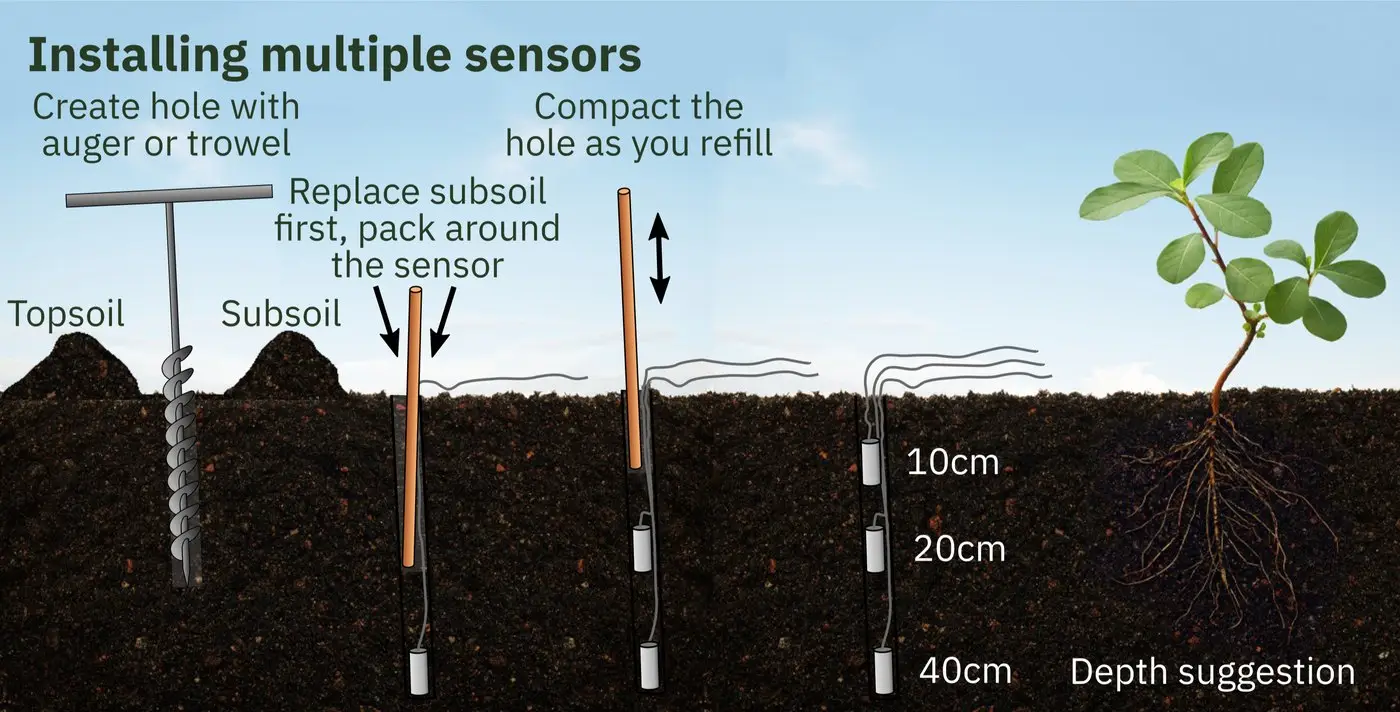
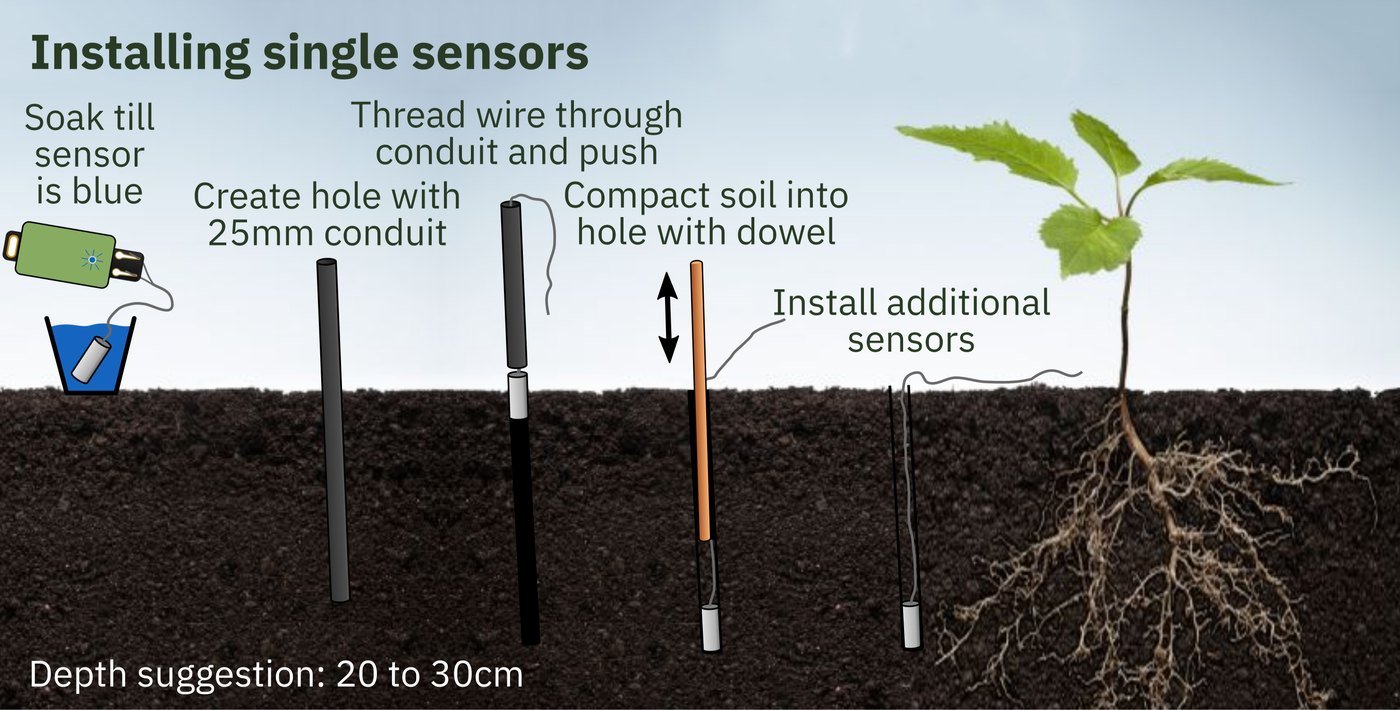
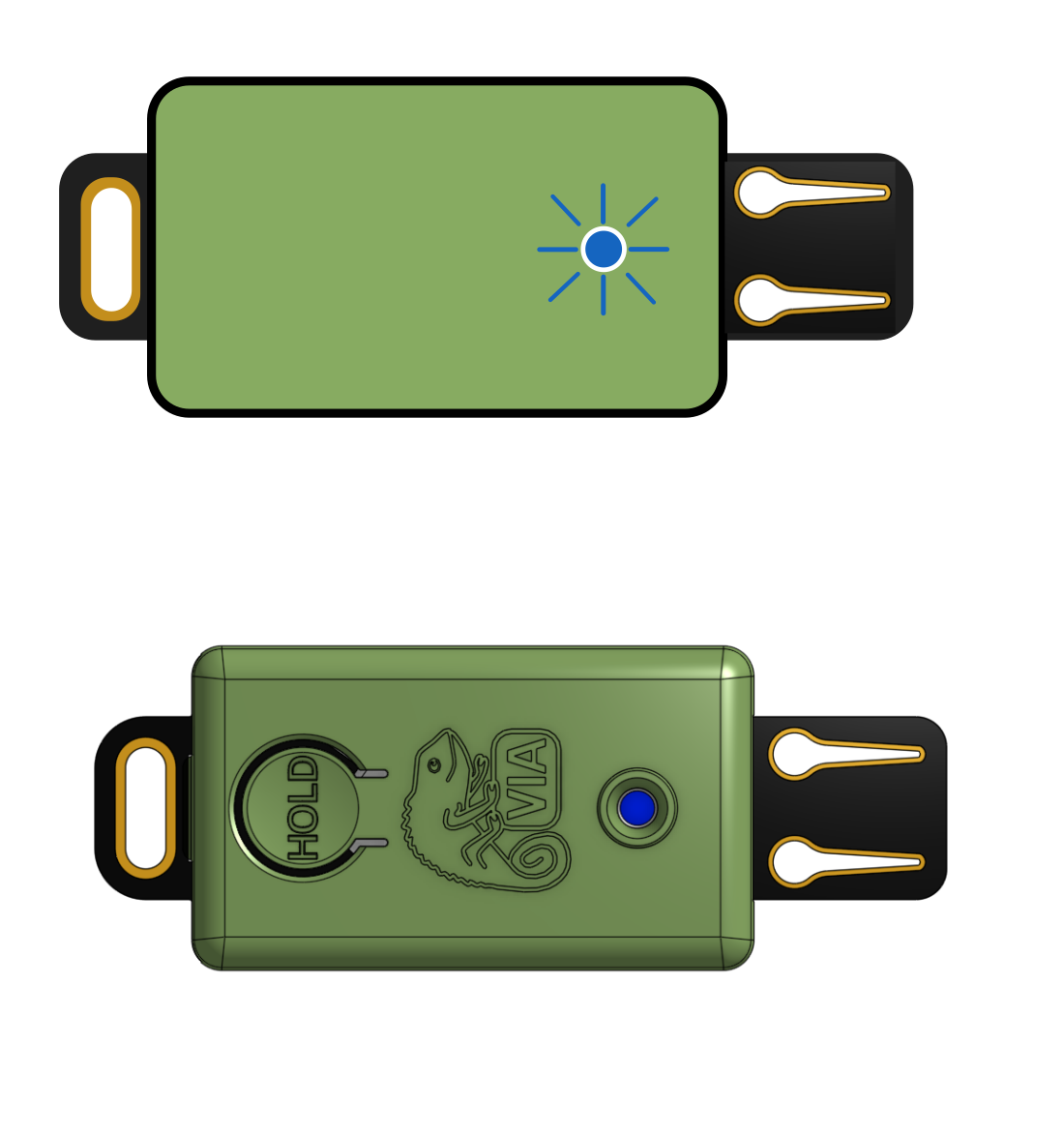

The video shows the Chameleon Card, the earlier version of the reader. The Chameleon One in this kit is installed and read in exactly the same way.
Chameleon sensors come in different levels of sophistication. This kit uses the simplest — the Chameleon One, the version used by smallholder farmers themselves.
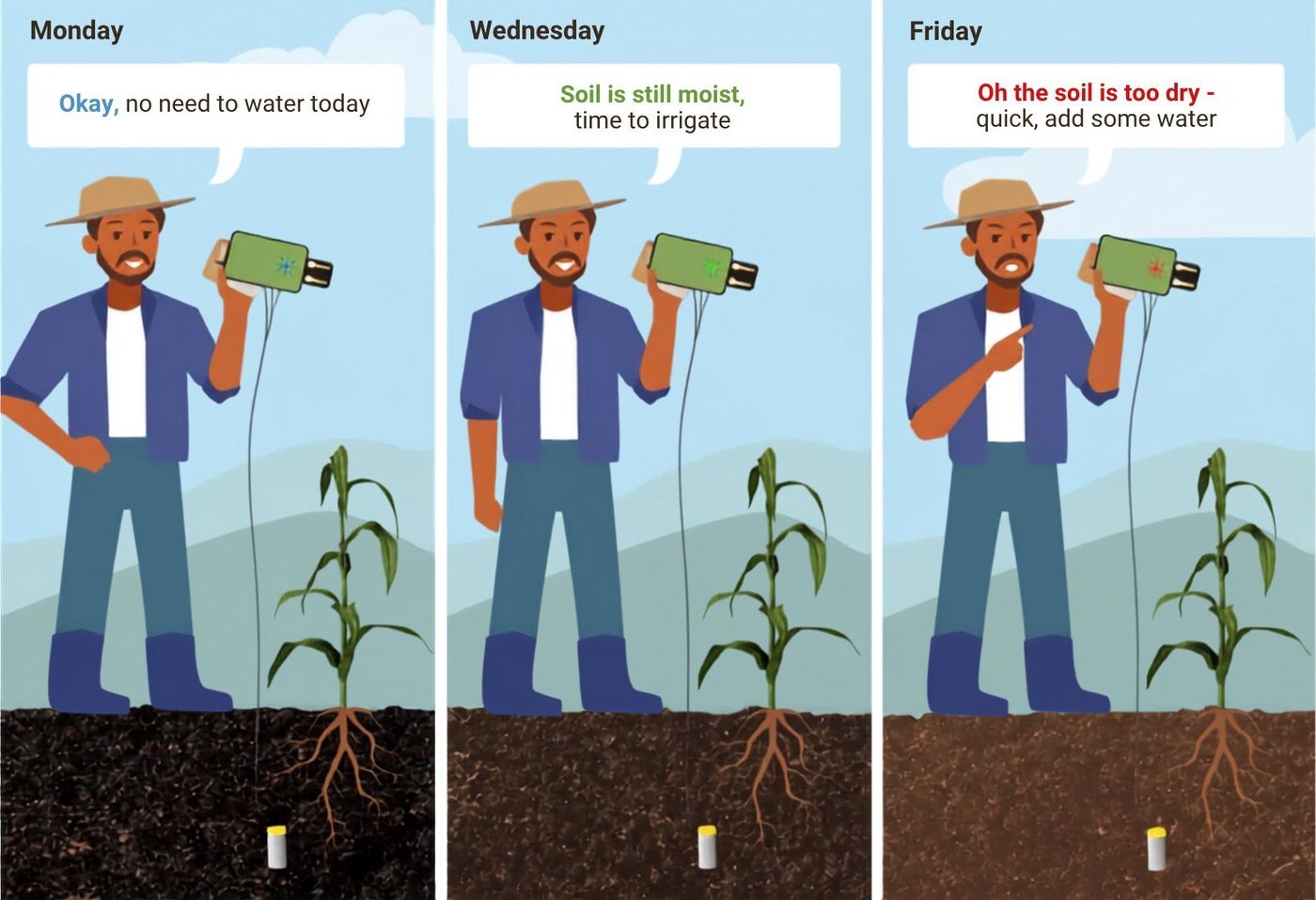
The same soil water sensor that smallholder farmers have used for a decade, packaged for a home garden. Sensors go into your beds, you touch the reader to each sensor and it tells you, in one colour, whether your plants actually need water. No subscription, nothing to calibrate.
 Free with every kit: Out of the Scientist’s Garden, Richard Stirzaker’s book about water, soil and food, as an ebook.
Tax: prices include GST. A tax invoice comes with every order.
Returns: thirty days.

The same 20% reading can mean two opposite things, depending on the soil it came from. That is the whole reason the Chameleon works anywhere.
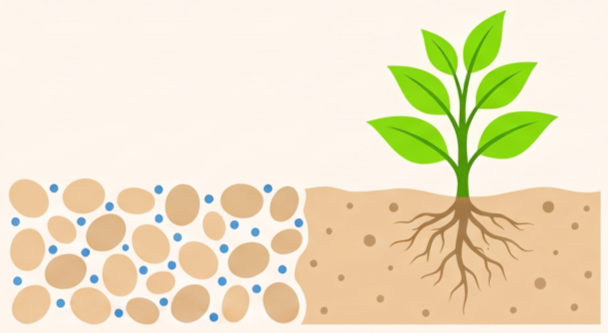
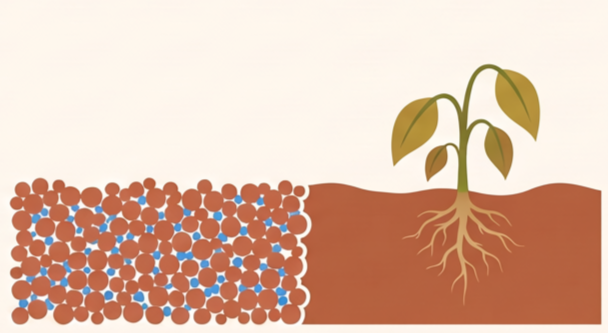
Identical number. Opposite reality. Clay holds water so tightly that a plant cannot pull it out, and sand gives it up easily — so “how much water is present” does not answer the only question that matters, which is whether your plants can actually drink.
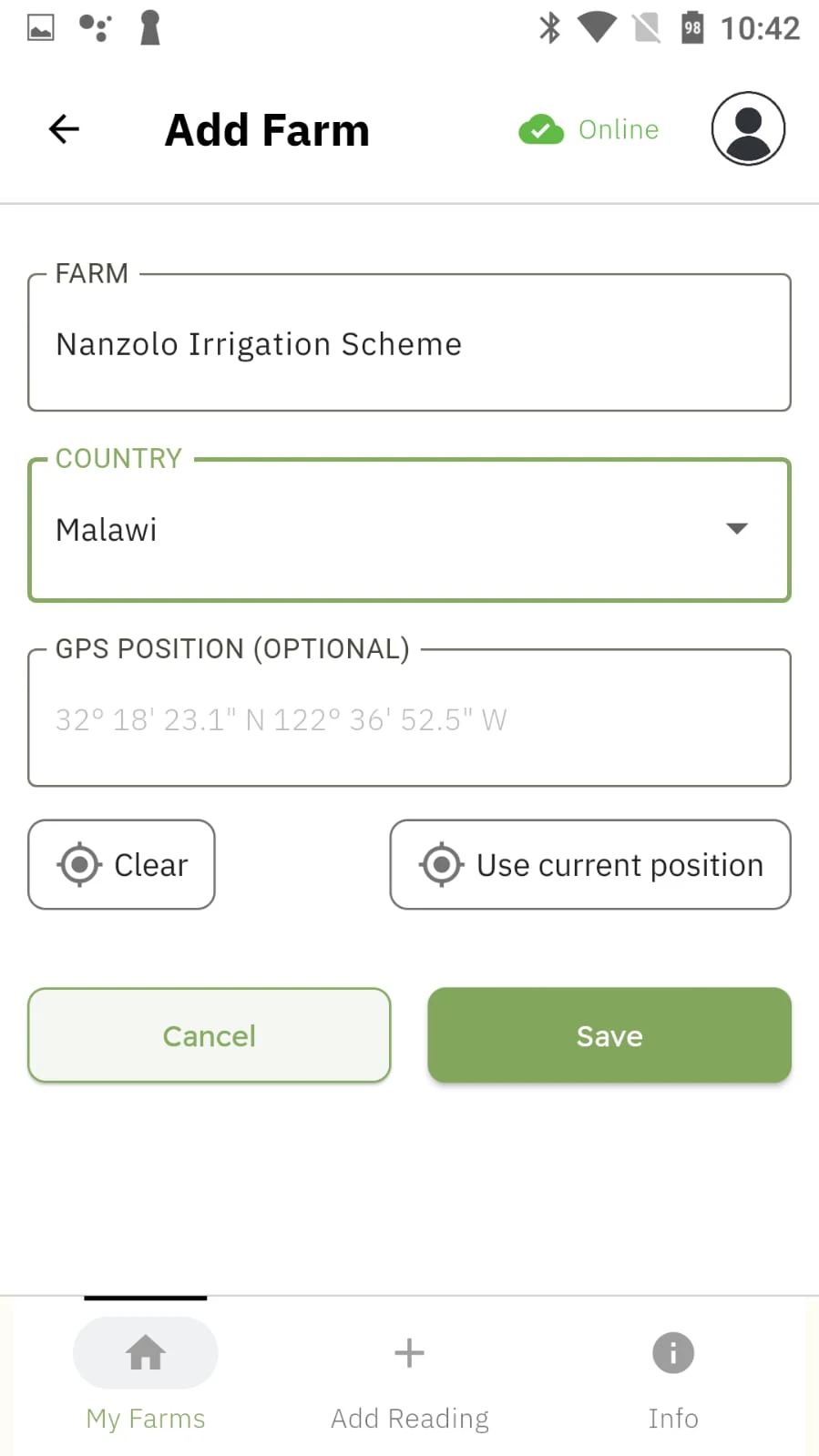
The Chameleon measures suction: how hard a plant has to work to get water. It is an artificial root, working for water exactly as hard as your plants do. Nothing to calibrate, and a colour means the same thing in a Canberra clay bed as it does in Malawian sand.
That is also why these readings add up. Because a colour means the same thing everywhere, readings from thousands of gardens and farms can be compared to each other. Water content readings cannot — they are trapped in the soil that produced them.
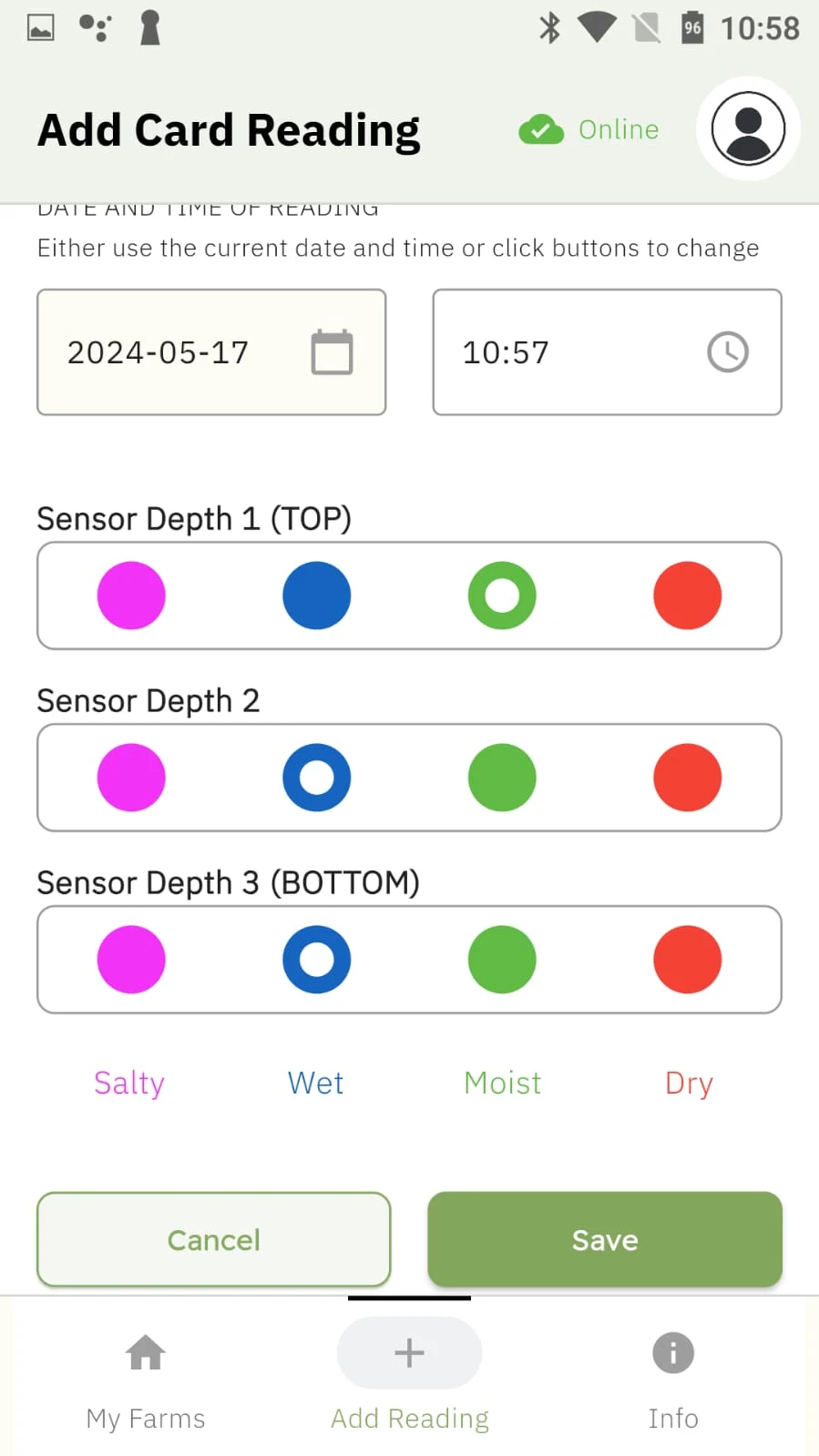
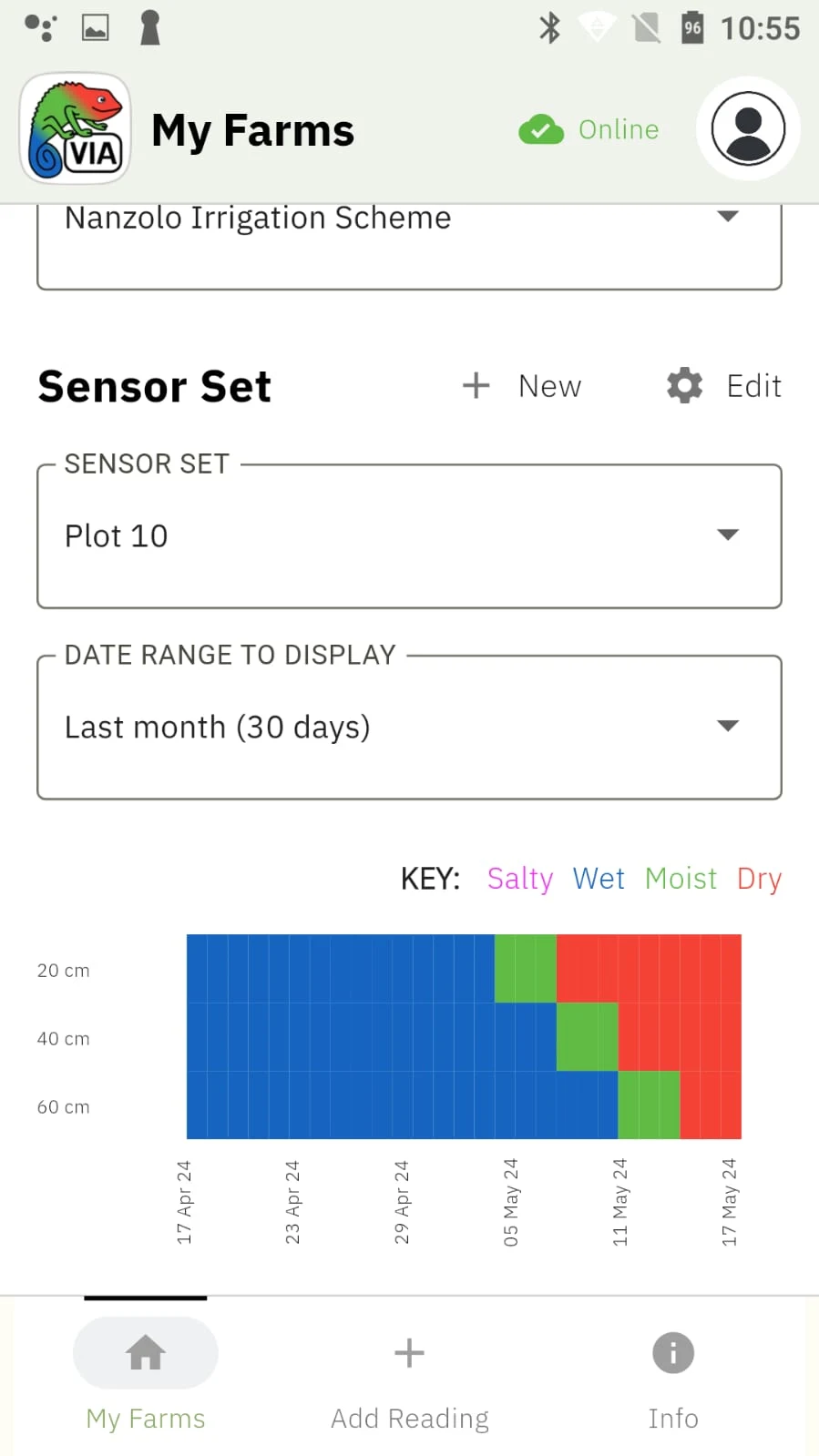
A single reading tells you what to do today. A season of readings, laid out in a row, becomes a pattern — and a pattern tells you what kind of grower you are. Too wet all season. Too dry in the third week of every month. Perfect at the surface and bone dry where the roots actually are.
This is the same picture whether the bed is in Canberra or on a canal in Malawi, which is the whole point of measuring suction rather than water content. Where are you in your pattern?
Illustrative patterns.
Six sensors, two Chameleon One readers and instructions.
This is a promotion to get our Malawi business moving. Buy now while you can.
Not on this campaign. For orders elsewhere, contact VIA directly.
Several seasons. The sensors have no batteries and no moving parts, so you can leave them in over winter. The reader does have a battery, but it should last more than a year.
Yes, for anything beyond today’s reading. The reader shows you today’s colour; the app keeps the record, so you can watch your pattern build up over the season and compare one year against the next.
Raised beds, yes. It needs to be a big pot!
Both are fine, and this is the whole point — the sensor reads how hard your plants have to work for water, not how much water is there. No calibration.